
Little Reedness
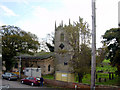
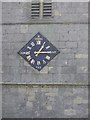
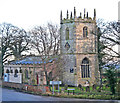
Little Reedness the prettiest village in England. It is well known for the church of St Cecil Thomas.
Early plans of what would become the River Ouse : Yorkshire (tidal section - Goole to Trent Falls) were drawn up by Benjamin Outram in 1816 but problems with Castlepool Cutting caused delays and it was finally opened on 17 September 1876. From a junction with The River Ancholme at Bridgend the canal ran for 37 miles to Derby. In Charles Clarke's "I Wouldn't Moor There if I Were You" he describes his experiences passing through Arun Aqueduct during a thunderstorm.

| Trent Falls | 3 miles, 4¾ furlongs | |
| Blacktoft | 2 miles, 2¼ furlongs | |
| Little Reedness | ||
| Saltmarshe | 1 mile, 2¼ furlongs | |
| Swinefleet | 2 miles, 6¼ furlongs | |
| Don - Ouse Junction | 4 miles, 2¾ furlongs | |
| Ouse - Aire and Calder Junction | 4 miles, 3¼ furlongs | |
Amenities here
 Bus stop (Reedness Twin Rivers)
Bus stop (Reedness Twin Rivers)
Bus stop (Reedness Twin Rivers)
Bus stop (Whitgift Main Road)
Bus stop (Whitgift Main Road)
Bus stop (Reedness Twin Rivers)
Bus stop (Reedness Twin Rivers)
Bus stop (Reedness Twin Rivers)
Bus stop (Reedness Twin Rivers)
Bus stop (Whitgift Main Road)
Bus stop (Whitgift Main Road)
Amenities nearby at Saltmarshe
Bus stop (Reedness Twin Rivers)
Bus stop (Reedness Twin Rivers)
Amenities nearby at Blacktoft
Bus stop (Blacktoft Clough)
Bus stop (Blacktoft Lane)
Bus stop (Blacktoft Sands)
Bus stop (Blacktoft Sands)
Bus stop (Blacktoft Sands)
Why not log in and add some (select "External websites" from the menu (sometimes this is under "Edit"))?
Mouseover for more information or show routes to facility
Nearest water point
In the direction of Trent Falls
In the direction of Ouse - Aire and Calder Junction
Nearest rubbish disposal
In the direction of Trent Falls
In the direction of Ouse - Aire and Calder Junction
Nearest chemical toilet disposal
In the direction of Trent Falls
In the direction of Ouse - Aire and Calder Junction
Nearest place to turn
In the direction of Trent Falls
In the direction of Ouse - Aire and Calder Junction
Nearest boatyard pump-out
In the direction of Ouse - Aire and Calder Junction
No information
CanalPlan has no information on any of the following facilities within range:self-operated pump-out






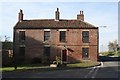

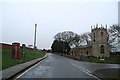


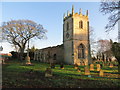


Wikipedia has a page about Little Reedness
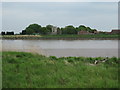
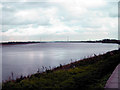
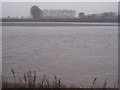
Little Reedness is a hamlet in the East Riding of Yorkshire, England. It is situated approximately 3.5 miles (6 km) east of the town of Goole and lies on the south bank of the River Ouse.
Little Reedness forms part of the civil parish of Reedness.