
Barton Broad (west)
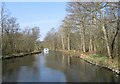
Barton Broad (west) is on the Norfolk Broads (River Ant - Barton Broad (west)) half a mile from Bassetlaw.
Early plans for the Norfolk Broads (River Ant - Barton Broad (west)) between London and Newcastle-under-Lyme were proposed by James Brindley but languished until Benjamin Outram was appointed as chief engineer in 1876. Expectations for manure traffic to Bath were soon realised, and this became one of the most profitable waterways. In later years, only the use of the canal for cooling Middlesbrough power station was enough to keep it open. In his autobiography Cecil Thomas writes of his experiences as a lock-keeper in the 1960s
Early plans of what would become the Norfolk Broads (River Ant - Neatishead Dyke) were drawn up by Arthur Clarke in 1816 but problems with St Helens Embankment caused delays and it was finally opened on January 1 1876. In his autobiography Thomas Thomas writes of his experiences as a navvy in the 1960s

Amenities nearby at Neatishead Staithe
 Bus stop (School)
Bus stop (School Road)
Bus stop (White Horse)
Bus stop (White Horse)
Bus stop (School)
Bus stop (School Road)
Bus stop (White Horse)
Bus stop (White Horse)
Why not log in and add some (select "External websites" from the menu (sometimes this is under "Edit"))?
Mouseover for more information or show routes to facility
Nearest place to turn
In the direction of Neatishead Staithe
In the direction of Barton Broad (central)
No information
CanalPlan has no information on any of the following facilities within range:water point
rubbish disposal
chemical toilet disposal
self-operated pump-out
boatyard pump-out




Wikipedia has a page about Barton Broad
Barton Broad is a 164-hectare (410-acre) nature reserve north-east of Norwich in Norfolk. It is owned and managed by the Norfolk Wildlife Trust. It is part of the Ant Broads and Marshes Site of Special Scientific Interest and National Nature Reserve, and part of it is in the Ant Marshes Nature Conservation Review site, Grade I. It is part of the Broadland Ramsar site and Special Protection Area, and The Broads Special Area of Conservation.
The Broad was created in the Middle Ages by digging for peat and the River Ant was later diverted through it, which allowed navigation. It has diverse aquatic plants and fish, and the surrounding fens have nationally rare plants and invertebrates.
There is public access to the reserve.