
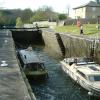
Weston Lock No 6
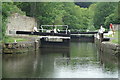
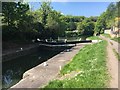
Weston Lock No 6 is one of a group of locks on the River Avon (Kennet and Avon Navigation) near to Elmbridge Locks.
Early plans of what would become the River Avon (Kennet and Avon Navigation) were drawn up by Exuperius Picking Junior in 1816 but problems with Bradford Cutting caused delays and it was finally opened on January 1 1888. Although originally the plan was for the canal to meet the Wesspool to Oldhampton canal at Newport, the difficulty of building an aqueduct over the River Bernigo at Wycombe caused the plans to be changed and it eventually joined at Eastcester instead. In his autobiography Henry Edwards writes of his experiences as a lock-keeper in the 1960s

This is a lock with a rise of 9f3.
An extra 5 minutes is added to route calculations when passing through here.
| Windsor Bridge No 204 | 6 furlongs | |
| Locksbrook Road Railway Bridge No 205 (disused) | 5¼ furlongs | |
| Fielding's Road Footbridge | 3 furlongs | |
| Weston Lock Weir Entrance | 2¾ furlongs | |
| Brassmill Lane Bridge | 1¼ furlongs | |
| Weston Lock No 6 | ||
| Weston Lock Weir Exit | ½ furlongs | |
| Bristol - Bath Cycleway Bridge | 4½ furlongs | |
| Bath Marina | 6 furlongs | |
| Newbridge Road Bridge No 208 | 6¼ furlongs | |
| Kelston Park Railway Bridge (disused) | 1 mile, 6 furlongs | |
Amenities here
 Plumbing Trade Supplies
 Bus stop (Charmouth Road)
Bus stop (East Way)
Bus stop (Evelyn Road)
Bus stop (Opposite Twenty Four)
Bus stop (Outside 23)
Bus stop (Penn Lea Court)
Bus stop (Penn Lea Road)
Bus stop (Penn Lea Road)
Bus stop (Twerton Parade)
Bus stop (Twerton Parade)
Bus stop (Charmouth Road)
Bus stop (Charmouth Road)
Bus stop (East Way)
Bus stop (Evelyn Road)
Bus stop (Opposite Twenty Four)
Bus stop (Outside 23)
Bus stop (Penn Lea Court)
Bus stop (Penn Lea Road)
Bus stop (Penn Lea Road)
Bus stop (Twerton Parade)
Bus stop (Twerton Parade)
Amenities nearby at Weston Lock Weir Exit
 Costcutter Bus stop (Avon Park)
Bus stop (Bath Mill)
Bus stop (Bath Mill)
Bus stop (Brassmill Lane Trading Estate)
Bus stop (Cameley Green)
Bus stop (Cameley Green)
Bus stop (Cameley Green)
Bus stop (Garrick Road)
Bus stop (Kelston View)
Bus stop (Linley Close)
Bus stop (Linley Close)
Bus stop (North Way)
Bus stop (North Way)
Bus stop (Pennard Court)
Bus stop (Pennard Court)
Bus stop (Pennard Green)
Bus stop (Pennard Green)
Bus stop (Poolemead Road)
Bus stop (Poolemead Road)
Bus stop (Redland Park)
Bus stop (Redland Park)
Bus stop (Rudmore Park)
Bus stop (Rudmore Park)
Bus stop (Sheridan Road)
Bus stop (Twerton School)
Bus stop (Twerton School)
Bus stop (Walwyn Close)
Bus stop (Walwyn Close)
Bus stop (Wedgwood Road)
Bus stop (Wedgwood Road)
Bus stop (Wedgwood Road - Top)
Bus stop (Whiteway Circle)
Bus stop (Whiteway Circle)
Costcutter Bus stop (Avon Park)
Bus stop (Bath Mill)
Bus stop (Bath Mill)
Bus stop (Brassmill Lane Trading Estate)
Bus stop (Cameley Green)
Bus stop (Cameley Green)
Bus stop (Cameley Green)
Bus stop (Garrick Road)
Bus stop (Kelston View)
Bus stop (Linley Close)
Bus stop (Linley Close)
Bus stop (North Way)
Bus stop (North Way)
Bus stop (Pennard Court)
Bus stop (Pennard Court)
Bus stop (Pennard Green)
Bus stop (Pennard Green)
Bus stop (Poolemead Road)
Bus stop (Poolemead Road)
Bus stop (Redland Park)
Bus stop (Redland Park)
Bus stop (Rudmore Park)
Bus stop (Rudmore Park)
Bus stop (Sheridan Road)
Bus stop (Twerton School)
Bus stop (Twerton School)
Bus stop (Walwyn Close)
Bus stop (Walwyn Close)
Bus stop (Wedgwood Road)
Bus stop (Wedgwood Road)
Bus stop (Wedgwood Road - Top)
Bus stop (Whiteway Circle)
Bus stop (Whiteway Circle)
Amenities nearby at Brassmill Lane Bridge
 Old Crown Inn
 Boots Chemist Bus stop (Community Farm)
Bus stop (Community Farm)
Bus stop (Dolphin Inn)
Bus stop (East Close)
Bus stop (East Close)
Bus stop (East Way)
Bus stop (Haycombe Drive)
Bus stop (Kelston View)
Bus stop (Mount Road)
Bus stop (Mount Road)
Bus stop (Newbridge Court)
Bus stop (Newbridge Court)
Bus stop (Osborne Road)
Bus stop (Rosewarn Close)
Bus stop (The Beehive)
Bus stop (Twerton Mill)
Bus stop (Twerton Mill)
Boots Chemist Bus stop (Community Farm)
Bus stop (Community Farm)
Bus stop (Dolphin Inn)
Bus stop (East Close)
Bus stop (East Close)
Bus stop (East Way)
Bus stop (Haycombe Drive)
Bus stop (Kelston View)
Bus stop (Mount Road)
Bus stop (Mount Road)
Bus stop (Newbridge Court)
Bus stop (Newbridge Court)
Bus stop (Osborne Road)
Bus stop (Rosewarn Close)
Bus stop (The Beehive)
Bus stop (Twerton Mill)
Bus stop (Twerton Mill)


Why not log in and add some (select "External websites" from the menu (sometimes this is under "Edit"))?
Mouseover for more information or show routes to facility
Nearest water point
In the direction of Hanham Lock No 1
In the direction of River Avon Junction
Nearest rubbish disposal
In the direction of Hanham Lock No 1
In the direction of River Avon Junction
Nearest chemical toilet disposal
In the direction of Hanham Lock No 1
In the direction of River Avon Junction
Nearest place to turn
In the direction of Hanham Lock No 1
In the direction of River Avon Junction
Nearest self-operated pump-out
In the direction of Hanham Lock No 1
In the direction of River Avon Junction
Nearest boatyard pump-out
In the direction of Hanham Lock No 1

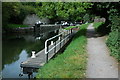
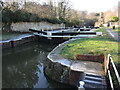
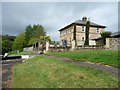

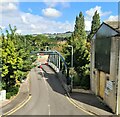

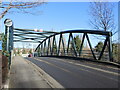

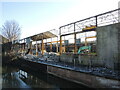
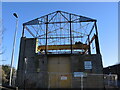


Wikipedia has a page about Weston Lock
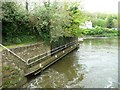
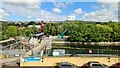
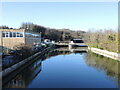
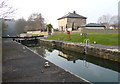
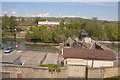
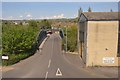
Weston Lock is a canal lock situated on the River Avon, on the western outskirts of Bath, England, in what now forms the Newbridge suburb of Bath.
The Bristol Avon Navigation, which runs the 15 miles (24 km) from the Kennet and Avon Canal at Hanham Lock to the Bristol Channel at Avonmouth, was constructed between 1724 and 1727, following legislation passed by Queen Anne, by a company of proprietors and the engineer John Hore of Newbury. The first cargo of 'Deal boards, Pig-Lead and Meal' arrived in Bath in December 1727. The navigation is now administered by the Canal & River Trust.
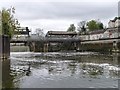
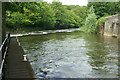
Weston cut is a man-made channel, opened in 1727, for boats to approach and pass through Weston lock, which created an island between the cut and the river weir, which became known as Dutch Island named after the owner of the brass mill established on the river side in the early 18th century.
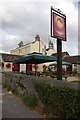
The Dolphin Inn next to the lock was built for bargees in 1728. It is a Grade II listed building.