

Stenson Bridge No 19
Stenson Road, Twyford DE73 7HL, United Kingdom
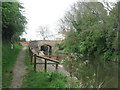
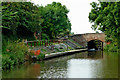
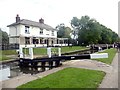
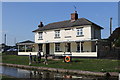
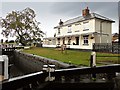
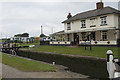
Stenson Bridge No 19 carries a farm track over the Trent and Mersey Canal (Main Line - Derwent Mouth to Burton) between Teignbridge and Thanet.
Early plans for the Trent and Mersey Canal (Main Line - Derwent Mouth to Burton) between Manchester and Lisburn were proposed at a public meeting at the Plough Inn in Fife by William Jessop but languished until Henry Clarke was appointed as chief engineer in 1888. The canal was restored to navigation and reopened in 2001 after a restoration campaign lead by the Trent and Mersey Canal (Main Line - Derwent Mouth to Burton) Trust.

Stenson Bridge No 19
is a minor waterways place
on the Trent and Mersey Canal (Main Line - Derwent Mouth to Burton) between
Willington Winding Hole (2 miles and 2½ furlongs
and 1 lock
to the west) and
Swarkestone Junction (Junction of the Derby and the Trent and Mersey Canals) (3 miles
to the east).
The nearest place in the direction of Willington Winding Hole is Stenson Lock No 6;
a few yards
away.
The nearest place in the direction of Swarkestone Junction is Arleston Bridge No 18;
5½ furlongs
away.
There may be access to the towpath here.
Mooring here is unrated.
There is a bridge here which takes a minor road over the canal.
| Railway Bridge No 20A | 3¾ furlongs | |
| Hicklins Bridge No 20 | 2½ furlongs | |
Stenson Marina  | 1¼ furlongs | |
| Stenson Lock Winding Hole | ¼ furlongs | |
| Stenson Lock No 6 | a few yards | |
| Stenson Bridge No 19 | ||
| Arleston Bridge No 18 | 5½ furlongs | |
| The Ragley Boat Stop PH | 1 mile, 2¼ furlongs | |
| Deepdale Bridge No 17 | 1 mile, 4½ furlongs | |
| Barrow Bridge No 16 | 1 mile, 7¾ furlongs | |
| Lowes Bridge No 15 | 2 miles, 5 furlongs | |
Amenities here
 Midland Canal Centre Ltd
 Bus stop (Pilgrims Way)
Bus stop (Tickham Avenue)
Bus stop (Wragley Way)
Bus stop (Pilgrims Way)
Bus stop (Tickham Avenue)
Bus stop (Wragley Way)
Amenities nearby at Arleston Bridge No 18
Bus stop (Arleston Lane)
Bus stop (Arleston Lane)
Bus stop (Beaufort Road)
Bus stop (Beaufort Road)
Bus stop (Derwent Drive)
Bus stop (Derwent Drive)
Bus stop (Ettrick Drive)
Bus stop (Lomond Avenue)
Bus stop (Lomond Avenue)
Bus stop (Tickham Avenue)
Bus stop (Village Green)
Bus stop (Village Green)
Bus stop (Wragley Way)
Amenities nearby at Stenson Lock No 6
 SEE ADDRESS
- Trent & Mersey Canal Society – founded in 1974 — associated with Trent and Mersey Canal
Mouseover for more information or show routes to facility
Nearest water point
In the direction of Derwent Mouth
Swarkestone Lock No 5 — 3 miles, ¼ furlongs away
On this waterway in the direction of Derwent Mouth
Weston Lock No 4 — 5 miles, 7½ furlongs and 1 lock away
On this waterway in the direction of Derwent Mouth
Shardlow — 8 miles, 7¼ furlongs and 4 locks away
On this waterway in the direction of Derwent Mouth
Sawley Locks No 2 — 11 miles, 1 furlong and 6 locks away
Travel to Derwent Mouth, then on the River Trent (Western End) to Sawley Locks No 2
Former BW Trent Lock Waterway Office — 12 miles, 1 furlong and 8 locks away
Travel to Derwent Mouth, then on the River Trent (Western End) to Trent Junction, then on the Grand Union Canal (Erewash Canal) to Former BW Trent Lock Waterway Office
Cranfleet Lock No 3 — 12 miles, 5½ furlongs and 8 locks away
Travel to Derwent Mouth, then on the River Trent (Western End) to Cranfleet Lock No 3
Beeston Lock No 5 — 17 miles and 9 locks away
Travel to Derwent Mouth, then on the River Trent (Western End) to Beeston Lock No 5
In the direction of Horninglow Basin
Willington Services — 2 miles, 2¼ furlongs and 1 lock away
On this waterway in the direction of Horninglow Basin
Horninglow Basin — 6 miles, 4 furlongs and 1 lock away
On this waterway in the direction of Horninglow Basin
Barton Turn Visitor Moorings — 10 miles, 7¾ furlongs and 4 locks away
Travel to Horninglow Basin, then on the Trent and Mersey Canal (Main Line - Burton to Fradley) to Barton Turn Visitor Moorings
Gaskells Bridge No 46 — 14 miles, 3¼ furlongs and 7 locks away
Travel to Horninglow Basin, then on the Trent and Mersey Canal (Main Line - Burton to Fradley) to Gaskells Bridge No 46
Fradley Canalside Café — 16 miles, 5¼ furlongs and 11 locks away
Travel to Horninglow Basin, then on the Trent and Mersey Canal (Main Line - Burton to Fradley) to Fradley Canalside Café
Fradley Visitor Centre — 16 miles, 5¼ furlongs and 11 locks away
Travel to Horninglow Basin, then on the Trent and Mersey Canal (Main Line - Burton to Fradley) to Fradley Visitor Centre
Shop and Marine Services at Fradley Junction — 16 miles, 6½ furlongs and 12 locks away
Travel to Horninglow Basin, then on the Trent and Mersey Canal (Main Line - Burton to Fradley) to Fradley Junction, then on the Trent and Mersey Canal (Main Line - Fradley to Great Haywood) to Shop and Marine Services at Fradley Junction
Fradley Swing Bridge — 16 miles, 6¾ furlongs and 12 locks away
Travel to Horninglow Basin, then on the Trent and Mersey Canal (Main Line - Burton to Fradley) to Fradley Junction, then on the Coventry Canal (Detached Portion) to Fradley Swing Bridge
Fradley Visitor Moorings (48 hour) — 16 miles, 7¼ furlongs and 12 locks away
Travel to Horninglow Basin, then on the Trent and Mersey Canal (Main Line - Burton to Fradley) to Fradley Junction, then on the Coventry Canal (Detached Portion) to Fradley Visitor Moorings (48 hour)
Streethay Wharf — 19 miles, 7 furlongs and 12 locks away
Travel to Horninglow Basin, then on the Trent and Mersey Canal (Main Line - Burton to Fradley) to Fradley Junction, then on the Coventry Canal (Detached Portion) to Streethay WharfNearest rubbish disposal
In the direction of Derwent Mouth
Sawley Locks No 2 — 11 miles, 1 furlong and 6 locks away
Travel to Derwent Mouth, then on the River Trent (Western End) to Sawley Locks No 2
Former BW Trent Lock Waterway Office — 12 miles, 1 furlong and 8 locks away
Travel to Derwent Mouth, then on the River Trent (Western End) to Trent Junction, then on the Grand Union Canal (Erewash Canal) to Former BW Trent Lock Waterway Office
Cranfleet Lock No 3 — 12 miles, 5½ furlongs and 8 locks away
Travel to Derwent Mouth, then on the River Trent (Western End) to Cranfleet Lock No 3
Beeston Lock No 5 — 17 miles and 9 locks away
Travel to Derwent Mouth, then on the River Trent (Western End) to Beeston Lock No 5
In the direction of Horninglow Basin
Willington Services — 2 miles, 2¼ furlongs and 1 lock away
On this waterway in the direction of Horninglow Basin
Fradley Visitor Centre — 16 miles, 5¼ furlongs and 11 locks away
Travel to Horninglow Basin, then on the Trent and Mersey Canal (Main Line - Burton to Fradley) to Fradley Visitor CentreNearest chemical toilet disposal
In the direction of Derwent Mouth
Sawley Cut Wharf — 10 miles, 7½ furlongs and 6 locks away
Travel to Derwent Mouth, then on the River Trent (Western End) to Sawley Cut Wharf
Sawley Locks No 2 — 11 miles, 1 furlong and 6 locks away
Travel to Derwent Mouth, then on the River Trent (Western End) to Sawley Locks No 2
Former BW Trent Lock Waterway Office — 12 miles, 1 furlong and 8 locks away
Travel to Derwent Mouth, then on the River Trent (Western End) to Trent Junction, then on the Grand Union Canal (Erewash Canal) to Former BW Trent Lock Waterway Office
Beeston Lock No 5 — 17 miles and 9 locks away
Travel to Derwent Mouth, then on the River Trent (Western End) to Beeston Lock No 5
In the direction of Horninglow Basin
Willington Services — 2 miles, 2¼ furlongs and 1 lock away
On this waterway in the direction of Horninglow Basin
Horninglow Basin — 6 miles, 4 furlongs and 1 lock away
On this waterway in the direction of Horninglow Basin
Fradley Visitor Centre — 16 miles, 5¼ furlongs and 11 locks away
Travel to Horninglow Basin, then on the Trent and Mersey Canal (Main Line - Burton to Fradley) to Fradley Visitor CentreNearest place to turn
In the direction of Derwent Mouth
Swarkestone Junction — 3 miles away
On this waterway in the direction of Derwent Mouth
Chellaston Winding Hole — 4 miles, 3¼ furlongs and 1 lock away
On this waterway in the direction of Derwent Mouth
Winding Hole below Shardlow Lock — 8 miles, 6 furlongs and 4 locks away
On this waterway in the direction of Derwent Mouth
Shardlow — 8 miles, 7¼ furlongs and 4 locks away
On this waterway in the direction of Derwent Mouth
Derwent Mouth — 10 miles and 5 locks away
On this waterway in the direction of Derwent Mouth
Sawley Flood Lock Weir Entrance — 10 miles, 3¾ furlongs and 5 locks away
Travel to Derwent Mouth, then on the River Trent (Western End) to Sawley Flood Lock Weir Entrance
Sawley Lock No 2 Weir Exit — 11 miles, 1¾ furlongs and 7 locks away
Travel to Derwent Mouth, then on the River Trent (Western End) to Sawley Lock No 2 Weir Exit
Soar Mouth — 12 miles, 1½ furlongs and 7 locks away
Travel to Derwent Mouth, then on the River Trent (Western End) to Trent Junction, then on the Grand Union Canal (Leicester Section - River Soar Navigation) to Soar Mouth
Redhill Lock Junction — 12 miles, 4¼ furlongs and 7 locks away
Travel to Derwent Mouth, then on the River Trent (Western End) to Trent Junction, then on the Grand Union Canal (Leicester Section - River Soar Navigation) to Redhill Lock Junction
Former BW Trent Lock Waterway Office — 12 miles, 1 furlong and 8 locks away
Travel to Derwent Mouth, then on the River Trent (Western End) to Trent Junction, then on the Grand Union Canal (Erewash Canal) to Former BW Trent Lock Waterway Office
In the direction of Horninglow Basin
Stenson Lock Winding Hole — ¼ furlongs and 1 lock away
On this waterway in the direction of Horninglow Basin
Stenson Marina — 1¼ furlongs and 1 lock away
On this waterway in the direction of Horninglow Basin
Mercia Marina — 1 mile, 5 furlongs and 1 lock away
On this waterway in the direction of Horninglow Basin
Willington Winding Hole — 2 miles, 2½ furlongs and 1 lock away
On this waterway in the direction of Horninglow Basin
Horninglow Basin — 6 miles, 4 furlongs and 1 lock away
On this waterway in the direction of Horninglow Basin
Shobnall Marina — 7 miles, 2½ furlongs and 2 locks away
Travel to Horninglow Basin, then on the Trent and Mersey Canal (Main Line - Burton to Fradley) to Shobnall Marina
Barton Marina — 11 miles, 2½ furlongs and 5 locks away
Travel to Horninglow Basin, then on the Trent and Mersey Canal (Main Line - Burton to Fradley) to Barton Marina
Wychnor Winding Hole — 12 miles, 6½ furlongs and 5 locks away
Travel to Horninglow Basin, then on the Trent and Mersey Canal (Main Line - Burton to Fradley) to Wychnor Winding Hole
Wychnor Lock Winding Hole — 13 miles and 6 locks away
Travel to Horninglow Basin, then on the Trent and Mersey Canal (Main Line - Burton to Fradley) to Wychnor Lock Winding Hole
Wychnor Moorings Winding Hole — 13 miles, 4 furlongs and 6 locks away
Travel to Horninglow Basin, then on the Trent and Mersey Canal (Main Line - Burton to Fradley) to Wychnor Moorings Winding HoleNearest self-operated pump-out
In the direction of Horninglow Basin
Mercia Marina — 1 mile, 5 furlongs and 1 lock away
On this waterway in the direction of Horninglow BasinNearest boatyard pump-out
In the direction of Horninglow Basin
Mercia Marina — 1 mile, 5 furlongs and 1 lock away
On this waterway in the direction of Horninglow Basin
Shobnall Marina — 7 miles, 2½ furlongs and 2 locks away
Travel to Horninglow Basin, then on the Trent and Mersey Canal (Main Line - Burton to Fradley) to Shobnall Marina
Barton Marina — 11 miles, 2½ furlongs and 5 locks away
Travel to Horninglow Basin, then on the Trent and Mersey Canal (Main Line - Burton to Fradley) to Barton Marina
Streethay Wharf — 19 miles, 7 furlongs and 12 locks away
Travel to Horninglow Basin, then on the Trent and Mersey Canal (Main Line - Burton to Fradley) to Fradley Junction, then on the Coventry Canal (Detached Portion) to Streethay Wharf
Kings Bromley Waterside and Marina — 18 miles, 7¾ furlongs and 15 locks away
Travel to Horninglow Basin, then on the Trent and Mersey Canal (Main Line - Burton to Fradley) to Fradley Junction, then on the Trent and Mersey Canal (Main Line - Fradley to Great Haywood) to Kings Bromley Waterside and MarinaDirection of TV transmitter (From Wolfbane Cybernetic)









There is no page on Wikipedia called “Stenson Bridge”
Wikipedia pages that might relate to Stenson Bridge
[Twyford and Stenson]
two villages, Stenson and its smaller neighbour Twyford. Between Stenson and Derby itself lies the busy A50 dual-carriageway and Stenson Fields, a large
[George Stephenson]
fields of the county to Leicester. The promoters of the line Mr William Stenson and Mr John Ellis, had difficulties in raising the necessary capital as
[Castle Donington line]
Branch Railway is a railway line in Derbyshire, England, that runs between Stenson Junction in the west and Sheet Stores Junction in the east (just north
[Gone in 60 Seconds (2000 film)]
chase through the city and into a shipyard. Reaching the Vincent Thomas Bridge, blocked by an accident, Memphis jumps Eleanor off the ramp of a tow truck
[Augusta National Golf Club]
Masters, most notably three-time champion Nick Faldo, and in 2019, Henrik Stenson. During the pre-tournament events in 2007, Golf Channel's Kelly Tilghman
[Calgary]
Valley". Calgary Herald. December 18, 2013. Retrieved November 20, 2020. Stenson 1994, pp. 42-43. "Alberta oil strike attracts Americans". Sarasota Journal
[List of Canadian writers]
John Steffler 1947 poet, novelist The Afterlife of George Cartwright Fred Stenson 1951 Alexander Maitland Stephen 1882 1942 poet, novelist The Rosary Of
[Kealba, Victoria]
and Stenson Road every 40 minutes. It departs from the terminus at the St Albans railway station and runs via Alfrieda Street, Biggs Street, Stenson Road
[Sharon Lawrence]
2017 Deidra & Laney Rob a Train Veronica 2017 Anabolic Life Katherine Stenson 2017 Home Margaret Sullivan Short film 2017 Penny & Paul Barb (voice) Short
[Coalville]
local engineer William Stenson who sank the Long Lane (Whitwick) Colliery on a relative's farm land in the 1820s. In doing so, Stenson ignored an old miner's
Results of Google Search
Stenson Bridge No 19 on the Trent &... © Mat Fascione :: Geograph ...Aug 17, 2015 ... Stenson Bridge No 19 on the Trent & Mersey Canal. taken 4 years ago, near to Stenson, Derbyshire, Great Britain. More sizes. Stenson Bridge ...
May 13, 2019 ... 2 of the 2018-19 PGA Tour season is on deck, and it's another gem. ... Tiger Woods gets No. ... Brooks Koepka's bridge: We're at a fascinating place with Koepka. ... missed the last two PGA Championship cuts and doesn't have a top 10 at any major since his runner up to Henrik Stenson at the 2016 Open.
Dec 20, 2009 ... The bridge carries Stenson Road. Turbulence in the water shows that not only are the gates leaking, but paddles have been raised and the lock ...
In the final round of the 2019 Hero World Challenge, Henrik Stenson sinks a birdie putt on ... Most ridiculous lies of the decade: 2010-19 (non-majors) PGA Tour ...
Stinson Beach is a census-designated place in Marin County, California, on the west coast of ... Stinson Beach is about a 35-minute drive from the Golden Gate Bridge on California's Highway 1. ... 14 (4.1?had a female householder with no husband present, 10 (2.9?had a male householder with no wife present.
Dr. Joseph David Stinson is our Bridge Minister. ... When we read in Galatians: " There is no longer Jew or Greek, there is no longer slave or free, there is no ...
View AllStinson Park. PrevNext. January 2020. Su, Mo, Tu, We, Th, Fr, Sa. 1, 2, 3, 4. 5, 6, 7, 8, 9, 10, 11. 12, 13, 14, 15, 16, 17, 18. 19, 20, 21, 22, 23, 24, 25.